

Discovering an unknown tracking device on one of your fleet vehicles raises immediate questions about who put it there, what information has already been gathered, and the next steps to protect your assets.
The instinct is often to remove it and move on. That instinct, in most cases, is wrong.
This guide is designed for fleet operators, risk managers, insurers, and logistics professionals who need a clear, structured response when an unauthorised tracking device is found. We cover what different devices indicate, what steps to take and critically, what not to do and how professional vehicle monitoring prevents the situation from arising in the first place.
By the time a tracking device on a vehicle is identified, it may already have been active for days, weeks, or even months. Organised vehicle crime is rarely spontaneous. It is intelligence-led and your fleet vehicles may already have provided that intelligence.
What a device may have already recorded before discovery:
Removing the device without a structured response does not undo that exposure. The threat profile of the affected vehicle and potentially others in your fleet may already be established.
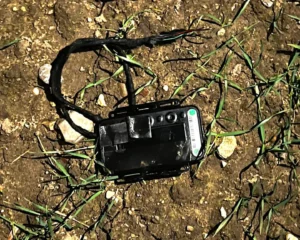
Understanding what has been found helps determine the level of threat and the appropriate response. Not all devices are equal in sophistication or intent.
The steps taken in the first few hours following discovery determine whether the find becomes a security advantage or a missed opportunity.
This is the most important step in this guide.
Premature removal of an unknown tracking device on a vehicle can:
Unless there is an immediate safety concern, leave the device in place and seek specialist guidance before taking any further action.
Before escalating, confirm that the device does not have an innocent explanation:
A brief internal check can quickly eliminate legitimate explanations and allow focus on the genuine security concern.
A single tracking device may indicate a broader security issue affecting the vehicle or your fleet. Widen the investigation before taking action:
If no legitimate explanation exists, the discovery should be reported to the police. When doing so:

Law enforcement can record and investigate. A specialist in fleet vehicle security can assess the threat, advise on the appropriate response, and implement protective measures immediately.
At W4G Track Recovery, we work directly with fleet operators, insurers, and risk managers to assess vehicle compromise, implement enhanced vehicle monitoring, and where necessary, coordinate stolen vehicle recovery operations with law enforcement.
Real-world consequences of getting the response wrong
In November 2025, Northamptonshire Police’s Serious and Organised Crime Team secured a conviction against a man who had placed GPS trackers on target vehicles weeks before stealing them.
Investigators found that the suspect had been physically following a target Audi for two weeks before placing a tracker on it using the surveillance period to profile the vehicle before executing the theft. A total of eight GPS trackers were deployed across Northamptonshire and Bedfordshire as part of the same organised conspiracy. (Source: Northamptonshire Police, November 2025)
The use of consumer-grade devices in this way is also well documented. NFU Mutual, working with police and vehicle crime specialists, recovered an Apple AirTag from a stolen Range Rover before it could be shipped abroad, confirming that organised gangs use low-cost trackers to monitor target vehicles and provide proof of possession during international shipments. According to NFU Mutual’s insurance specialists, AirTags have become a cheap and easily-hidden way for thieves to track vehicles back to owners’ homes before returning to steal them. (Source: Honest John / NFU Mutual, 2023)
The RAC has similarly warned that organised crime syndicates are using cheap tracking devices as part of intelligence-led, stolen-to-order operations with devices discovered hidden in roof linings of vehicles destined for export, only intercepted at a Belgian port. (Source: RAC Drive)
The pattern is consistent: tracking precedes theft, often by weeks. Removing a device without a structured response does not eliminate the threat; it removes the only visibility you had into it.
For more on why time matters in vehicle crime, read: FNOL & Vehicle Recovery: Why The First 60 Minutes Are Critical

Finding an unauthorised tracking device is a reactive response to a threat already in progress. The most effective fleet management security strategy prevents unauthorised access before it occurs.
W4G Track Recovery’s vehicle tracking and monitoring service provides continuous, real-time awareness of every asset in your fleet. Our state-of-the-art monitoring control room operates 24 hours a day, 365 days a year, staffed by a team with backgrounds in law enforcement, military, and security.
Key capabilities include:
Unlike discovering a device weeks after installation, our monitoring detects threats as they develop giving your organisation the response time it needs. Learn more about how organised vehicle crime operates in our blog: Why Stolen Vehicle Recovery Services Need More Than Just a Tracker
Regular security reviews of your fleet management practices significantly reduce exposure to organised vehicle crime.
Our team can conduct a full fleet security assessment and identify vulnerabilities before they are exploited. See how we support businesses across different industries on our Sectors page.
Covertly installed tracking devices are far harder to tamper with or remove without detection. W4G Track Recovery’s vehicle GPS installation service ensures devices are fitted to professional standards across your fleet, with installation completed within five working days.
While professional monitoring and vehicle security measures help prevent unauthorised tracking, many fleet operators and vehicle owners still ask how to identify a suspicious tracking device if they believe one has already been installed.
While this guide focuses on fleet vehicles, many of the same concerns apply to private vehicle owners and businesses operating smaller fleets. If you suspect an unknown GPS tracker has been attached to a vehicle, knowing where to look can help identify potential security risks before they escalate.
Hidden tracking devices are often concealed in locations that are difficult to spot during routine inspections. Criminals typically place trackers where they can maintain a strong GPS signal while remaining hidden from view.
Regular vehicle inspections can help identify suspicious devices before information about routes, parking locations and vehicle movements is collected.
Finding an unknown tracking device raises urgent questions and the decisions made in the hours that follow matter. Below are the questions we hear most often from fleet operators, risk managers, and insurers when an unauthorised device is discovered.
Do not remove it immediately. Establish first whether there is a legitimate explanation – check with your leasing company, insurance provider, or logistics partners. If no explanation exists, report it to the police and seek guidance from a fleet security specialist before handling the device further.
It depends on the type of device. Battery-powered covert trackers operate independently of the vehicle and will not affect your battery. Hardwired devices draw power from the vehicle’s electrical system and, if poorly installed, can cause battery drain, which is sometimes the first indicator of a device’s presence.
Common indicators include unexpected battery drain, unusual diagnostic errors, and unfamiliar data transmission activity if your vehicle has connected systems. However, purpose-built covert trackers are designed to avoid detection. Professional scanning by a fleet security specialist is the most reliable method.
Yes. Organised criminals sometimes use tracking devices to monitor vehicle locations, identify storage locations and understand routines before attempting theft.
Our 24/7 monitoring control room tracks real-time location, movement patterns, and system health for every enrolled vehicle. Anomalies, including device tampering, unexpected movement, or signal interference, trigger immediate alerts, enabling a rapid response before a theft can be completed.
Standard vehicle tracking logs location. Fleet management security combines real-time GPS monitoring with active threat response – including coordination with law enforcement, specialist recovery operations, and proactive fleet vulnerability assessments. W4G Track Recovery provides the full end-to-end service. Explore our comprehensive stolen vehicle recovery services to learn more.
If your fleet has been affected by unauthorised tracking, or if you want to ensure it never is, contact us for a security assessment.
Our 24/7 monitoring and rapid response services are designed to detect threats in real time – before they become losses. With an 89% recovery rate and an average recovery time of 5.5 hours, we deliver results when it matters most.
W4G Track Recovery is a certified B Corporation and member of the NVCRP (National Vehicle Crime Reduction Partnership) and NASVE (National Association of Stolen Vehicle Enquirers). We work in direct partnership with UK Police Forces and Law Enforcement Agencies across the country.